


You can build a real income — and a better world — at the same time. Here’s how Filipinas are doing it, and how you can, too.
Key Takeaways:
- Going green is good business. Filipino consumers are increasingly choosing eco-friendly products, making sustainable businesses both timely and profitable.
- You don’t need a big budget to start. Many of the most accessible sustainable business ideas can be launched from home with minimal capital.
- Purpose and income can go hand in hand. Selling eco-conscious products — like those from Personal Collection — lets you earn while genuinely contributing to a healthier planet.
More and more Filipinos are making purchasing decisions not just based on price, but on values. According to a survey by Rakuten Insight, 71% of Filipino respondents said it was very important to purchase environmentally friendly products. Another study found that 81% of Filipinos are willing to pay more for sustainable options.
This isn’t just a trend. It’s a transformation — and it’s opening real doors for everyday Filipinas who want to build income while doing something that matters.
Starting a sustainable business is no longer just for big corporations. For homemakers, working moms, young professionals, and community sellers across the country, going green is becoming one of the smartest and most fulfilling paths to financial independence. And the best part? You don’t have to choose between earning well and doing good.
Discover ideas for sustainable businesses in the Philippines that you can explore right now.

What is a Sustainable Business?
A sustainable business is one that earns profit while also taking responsibility for its impact on people and the planet. It doesn’t just ask, “How much can we make?” It also asks, “How do we do this without causing harm?”
In practice, sustainable businesses tend to share certain traits: they reduce waste, use eco-friendly materials, support local communities, or offer products that help people live healthier, more responsible lives.
Here are some concrete examples of what makes a business sustainable:
- A home-based soap maker who uses natural ingredients and sustainable product packaging instead of plastic.
- A community food seller who sources produce directly from local farmers, cutting down on transportation emissions and supporting rural livelihoods.
- A thrift shop or ukay-ukay that extends the life of clothing, reducing textile waste and making fashion more accessible to budget-conscious families.
What these businesses have in common is that they create value without taking more from the environment than necessary. They earn money and leave the world a little better than they found it.
5 Profitable and Sustainable Business Ideas in the Philippines
Here are some of the most practical, achievable, and sustainable small business ideas you can start today.
1. Direct Selling of Eco-Friendly Household and Personal Care Products
What it is: You become an independent dealer for a brand that sells biodegradable or sustainably packaged home care and personal care products — laundry detergents, dishwashing liquid, shampoo, body wash, and more. You sell these products to your community, neighbors, and online network.
Why it’s sustainable: When the products you sell use biodegradable packaging and non-toxic formulations, every sale contributes to reduced plastic waste and safer homes.
What you need to get started:
- Low starting capital (many direct-selling programs are very affordable to join)
- A smartphone and access to social media
- A network of friends, family, or community members
- Time and consistency

2. Zero-Waste or Organic Food Business
What it is: A small food business — whether baked goods, jarred goods, fresh produce boxes, or home-cooked meals — that prioritizes locally sourced ingredients and minimal waste packaging (reusable containers, paper wrapping, or no packaging at all).
Why it’s sustainable: You reduce food miles by buying local, minimize packaging waste, and support the agricultural community. Organic or naturally grown food also means fewer pesticides entering the soil and water.
What you need to get started:
- Knowledge of food preparation and basic food safety
- Suppliers from local farmers or markets
- Eco-friendly packaging (banana leaves, brown paper, or reusable jars)
- Business permit from your local government unit (LGU)
3. Upcycled or Secondhand Clothing (Thrift Store/Ukay-Ukay)
What it is: Another sustainable business idea is ukay-ukay, which involves selling pre-loved or repurposed clothing — either from a physical spot in your community or through online platforms like Facebook Marketplace, Shopee, or Instagram.
Why it’s sustainable: The fashion industry is one of the world’s biggest polluters. Every piece of clothing resold is one less garment in a landfill and one less reason to manufacture new. Thrift shopping is also one of the most budget-friendly ways to dress well.
What you need to get started:
- Initial stock (from personal closets, donations, or thrift bale purchases)
- A space to display or photograph items
- Social media accounts for online selling
- Good photography skills (a smartphone works fine)
4. Eco-Friendly Products Reselling
What it is: Curating and reselling eco-friendly everyday items, such as reusable shopping bags, bamboo toothbrushes, stainless steel straws, beeswax wraps, shampoo bars, or plant-based cleaning products.
Why it’s sustainable: These products replace single-use plastics and chemical-heavy alternatives, reducing household waste and environmental toxins.
What you need to get started:
- Research into reliable, quality suppliers (local or online)
- An online store or social media presence
- A clear brand voice that communicates your eco values
- Low to moderate starting capital
5. Community Garden or Urban Farming
What it is: Growing vegetables, herbs, or fruits in a small backyard, balcony, or community plot and selling the harvest to neighbors, local restaurants, or through community-supported agriculture (CSA) arrangements.
Why it’s sustainable: Growing food locally eliminates the need for long supply chains. Composting kitchen waste becomes fertilizer. Water is recycled. And the community becomes more food-secure.
What you need to get started:
- Available space (even just a few square meters)
- Seeds, soil, and basic gardening tools
- Knowledge of what grows well in your local climate
- A small network of potential buyers
Benefits of Starting a Green Business
You might be wondering: Is this really worth it for me? Here are some very real, very relatable reasons why starting an eco-friendly business makes sense, especially for Filipinas aiming for financial security through entrepreneurship.

1. It meets a growing demand and keeps customers coming back
Filipinos are actively looking for products they can trust. When you sell items that are safe for their families and kind to the environment, you earn not just a sale but loyalty. Sustainable products, especially everyday household essentials, create repeat customers because people need them regularly.
2. It helps you manage your own household expenses better
Many eco-friendly products actually cost less per use than their conventional counterparts. As a dealer or seller, you often get access to these products at dealer prices, which means savings for your own family while you earn.
3. It gives you something to be proud of
There’s a difference between selling just anything and selling something you genuinely believe in. When your business helps reduce plastic waste, supports local farmers, or brings safer products into Filipino homes, that sense of purpose is real.
4. It’s future-proof
With the government investing in green initiatives and younger consumers (Gen Z and millennials) actively choosing eco-brands, this market is only going to grow. Getting in now means building your customer base before the competition catches up.
5. It fits the Filipino entrepreneurial spirit
Most of these businesses can be started small — from home, with low capital, on your own schedule. That’s the hallmark of the Filipino hustle: practical, resourceful, and community-driven.
Ready to Earn, Grow, and Make a Difference?
Going green is no longer an idealistic dream. It’s a practical, profitable, and personally fulfilling path for anyone willing to take that first step. These sustainable business ideas are a great starting point, and hopefully, one resonates with you.
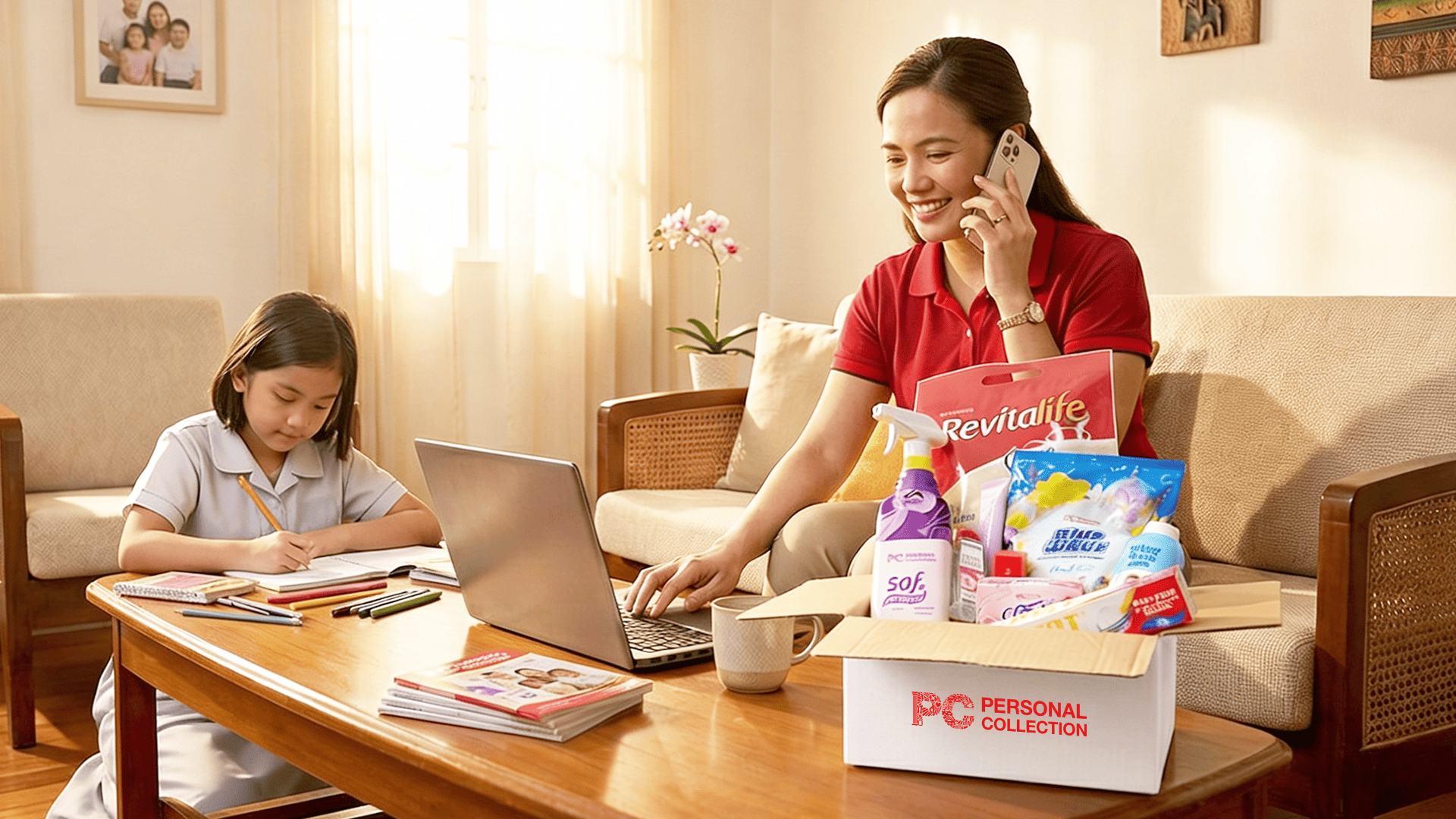
One brand that has been walking this path long before it became mainstream is Personal Collection. Through the #GreenLifeGreatLife movement, Personal Collection has pioneered the shift from recyclable packaging to fully biodegradable packaging through direct selling in the Philippines.
When you become a Personal Collection dealer, you’re not just starting a business. You’re joining a movement. You get personal income, financial independence, and the opportunity to genuinely make a difference.
Contact us today and start earning as a PC dealer!

Frequently Asked Questions
1. Do I need a business permit or government registration to start a sustainable business in the Philippines?
It depends on the type and scale of your business. If you’re selling products as an independent dealer under a direct-selling company like Personal Collection, you generally don’t need to register a separate business — the company structure covers you.
2. How do I convince my customers to switch to eco-friendly products when they’re used to conventional brands?
The most effective approach is to lead with benefits rather than ideology. Most Filipino consumers don’t switch because of environmental messaging alone — they switch because the product works well and saves them money. Highlight that many eco-friendly products actually stretch further per use.
3. Can I run a sustainable business purely online, or do I need to sell face-to-face?
You can absolutely build a thriving sustainable business online. Social media platforms like Facebook, TikTok, and Instagram are powerful tools for reaching eco-conscious consumers, especially younger buyers who prefer to shop digitally.
That said, a hybrid approach (combining online reach with personal community selling) often produces the most consistent income.